
TNPSC Books
-
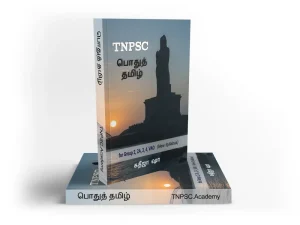
 TNPSC பொதுத் தமிழ் Book - for Group 2, 2A, 3, 4 & VAO
Original price was: ₹1,000.00.₹850.00Current price is: ₹850.00.
-
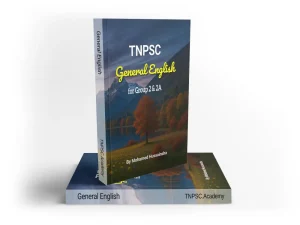
TNPSC General English Book - for Group 2 & 2A
Original price was: ₹1,000.00.₹850.00Current price is: ₹850.00.
Group 1 Courses

TNPSC Group 1 - Test Series - 2019
Original price was: ₹3,500.00.₹2,800.00Current price is: ₹2,800.00. 542
Group 1 | Postal and Online Test Series | 2022
Original price was: ₹3,200.00.₹2,800.00Current price is: ₹2,800.00. 88Class Tests
PRIVATE 67






Group 2 & 2A Courses
Class Tests
PRIVATE 67TNPSC Group 2 and 2A MAINS - 2022
PRIVATE 344TNPSC Group 2 and 2A - Test Series - 2019 - தமிழ்
Original price was: ₹2,400.00.₹1,800.00Current price is: ₹1,800.00. 175TNPSC Group 2 and 2A - Test Series - 2019
Original price was: ₹2,400.00.₹1,800.00Current price is: ₹1,800.00. 527





www.tnpsc.academy – TNPSC Current Affairs March 31, 2020 (31/03/2020)
Download as PDF
Topic: Current Socio-Economic Issues
Acute Encephalitis Syndrome (AES)
Amid coronavirus, Encephalitis returns in Bihar as toddler dies in Muzaffarpur. While the causes of AES are still researched, the association with hypoglycaemia and litchi fruit has drawn attention.
About AES:
Acute encephalitis syndrome is a basket term used for referring to hospitals, children with clinical neurological manifestation that includes mental confusion, disorientation, convulsion, delirium, or coma.
Meningitis caused by virus or bacteria, encephalitis (mostly Japanese encephalitis) caused by virus, encephalopathy, cerebral malaria, and scrub typhus caused by bacteria are collectively called acute encephalitis syndrome.
The disease most commonly affects children and young adults and can lead to considerable morbidity and mortality.
Cause of the disease:
Acute Encephalitis Syndrome (AES) is considered a very complex disease as it can be caused by various agents including bacteria, fungi, virus and many other agents.
Viruses are the main causative agents in AES cases, although other sources such as bacteria, fungus, parasites, spirochetes, chemicals, toxins and non-infectious agents have also been reported over the past few decades.
Japanese encephalitis virus (JEV) is the major cause of AES in India (ranging from 5%-35%). Nipah virus, Zika virus are also found as causative agents for AES.
How is it related to litchi fruits? How it affects?
In India, AES outbreaks in north and eastern India have been linked to children eating unripe litchi fruit on empty stomachs. Unripe fruit contain the toxins hypoglycin A and methylenecyclopropylglycine (MCPG), which cause vomiting if ingested in large quantities.
Hypoglycin A is a naturally occurring amino acid found in the unripened litchi that causes severe vomiting (Jamaican vomiting sickness), while MCPG is a poisonous compound found in litchi seeds.
_
Topic: Public Awareness and General Administration, Profile of States
Scitech Airon – under NIDHI program
A new technology has been adopted by the Maharashtra hospitals in the fight of COVID-19 fight. The technology was developed by a Pune based Start Up. The product is named “Scitech Airon”. It is a Negative Ion Generator.
The technology has been developed under the NIDHI PRAYAS program initiated by the Department of Science and Technology (DST).
How it works?
The Scitech Airon ionizer machine generates negatively charged ions at approximately hundred million per 8 seconds (10 ions per sec).
The negative ions generated by the ionizer form clusters around microparticles such as airborne mould, corona or influenza viruses, mite allergens, bacteria, pollens, dust and so on and render them inactive through a chemical reaction by creating highly reactive OH groups called hydroxyl radicals and H O which are highly reactive and known as atmospheric detergents.
The detergent property generated by the ion generator helps in the breakdown of the outer protein of the allergens, viruses, and bacteria, which helps in controlling airborne diseases.
It increases the body’s resistance to infections and harmful environmental factors. This resistance could be helpful for the next 20-30 days outside the ion atmosphere.
It also decomposes gaseous pollutants like Carbon Monoxide (1000 times more harmful than Carbon dioxide), Nitrogen dioxide, and Volatile Organic Compounds.
Significance of the technology:
It helps to control the virus, bacteria, and other fungal infections in a closed environment and could help purify the air and disinfect areas around COVID-19 positive cases and suspects.
Hence it could ensure the wellbeing of the staff, doctors, and nurses who are working round the clock in quarantine facilities by enhancing their disease-resistance power and ability to fight the virus.
What is NIDHI program?
Department of Science & Technology has launched a NIDHI program (National Initiative for Developing and Harnessing Innovations) under which programmes for setting up of incubators, seed fund, accelerators and ‘Proof of concept’ grant for innovators and entrepreneurs have been launched.
Under NIDHI, PRAYAS (Promoting and Accelerating Young and Aspiring innovators & Startups) programme has been initiated in which established Technology Business Incubators (TBI) are supported with PRAYAS grant to support innovators and entrepreneurs with grants for ‘Proof of Concept’ and developing prototypes.
_
Topic: Latest Diary of Events
What is Earth Hour?
Every year, Earth Hour is observed on the last Saturday of March at 8:30 pm. And while previously it brought the public out onto the roads to mark the hour, this year the famous environmental initiative went digital as many countries are in lockdown.
What is Earth Hour?
Dating back to 2007, Earth Hour is an annual event organized by the World Wildlife Fund that promotes conservation and sustainable energy. During this time, civilians are encouraged to switch off their lights for one hour to help reduce the effect of global warming and raise awareness for climate change and wildlife conservation.
Background:
It was famously started as a lights-off event in Sydney, Australia in 2007. Since then it has grown to engage more than 7000 cities and towns worldwide. Today, Earth Hour engages a massive mainstream community on a broad range of environmental issues. The one-hour event continues to remain the key driver of the now larger movement.
What’s the difference between Earth Hour and Earth Day?
Whereas Earth Hour stands as a climate change initiative where people reduce their electricity usage, Earth Day (April 22) celebrates our natural environment by inspiring people to plant trees, recycle regularly and keep the planet tidy.